
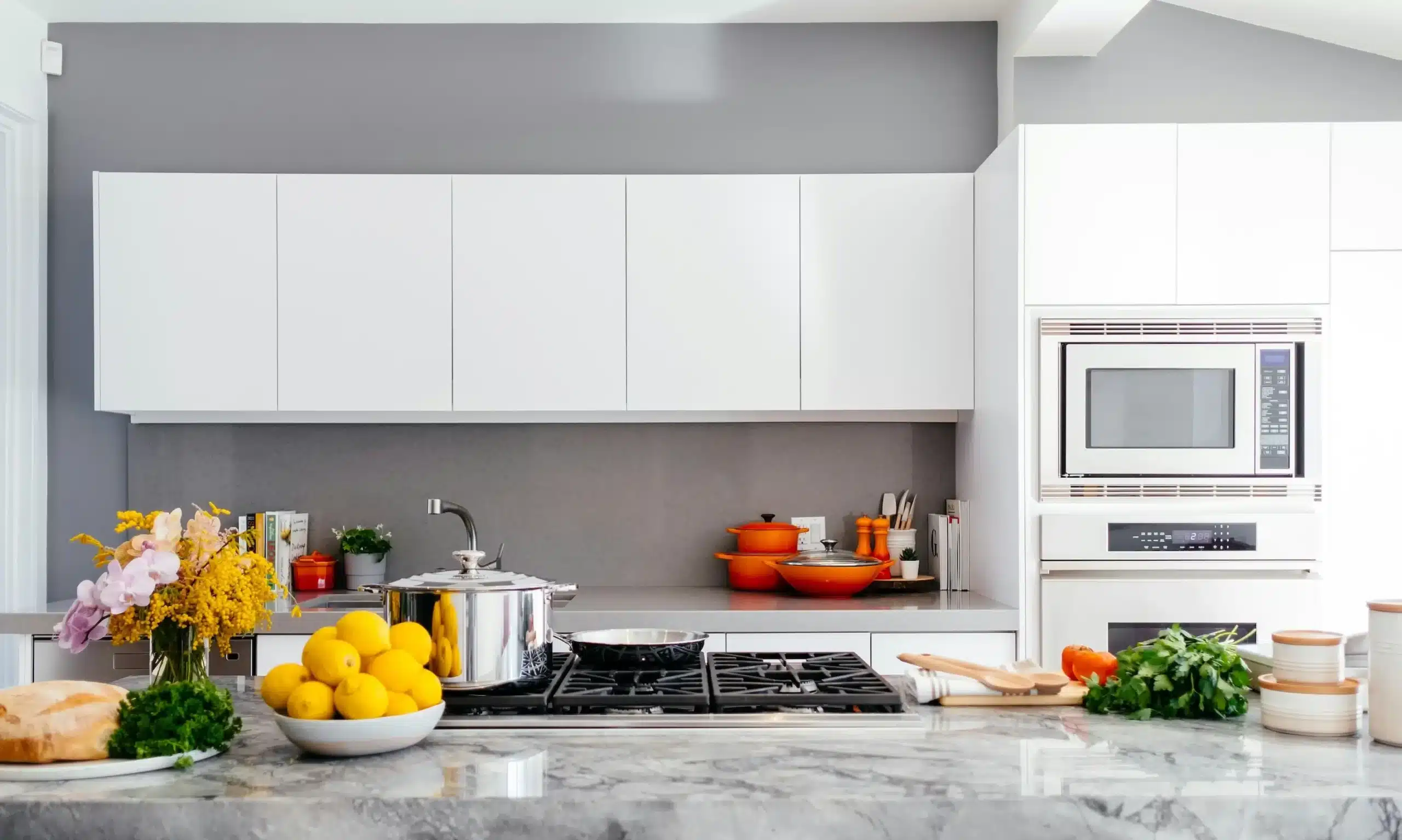
Not all appliance damage is covered. Here’s what renters need to know about coverage and exclusions.
Renters insurance covers appliances that you own, whether they’re stolen or damaged by a covered peril like a fire in your kitchen. However, your renters insurance policy does not cover appliances owned by your landlord, those are your landlord’s responsibility.
The confusion usually comes down to ownership. Let’s break down exactly what’s covered, what isn’t, and how to navigate the gray areas that trip up most renters.
TL;DR
- Renters insurance covers your appliances when damaged by fire, theft, vandalism, lightning, windstorms, and other covered perils
- Normal wear and tear, mechanical failure, and poor maintenance are not covered
- Landlord-owned appliances are not covered by your renters policy
- Appliances left by previous tenants fall into a gray area – check your lease to clarify ownership
Who is responsible for appliance damage in a rental?
Your renters insurance policy only covers appliances you own. If your landlord owns the appliance, damage or repairs fall under their responsibility and their landlord’s insurance.
Here’s how ownership typically breaks down:
| You usually own | Your landlord usually owns |
| Portable appliances you brought (microwave, coffee maker, toaster) | Built-in appliances (dishwasher, garbage disposal) |
| Large appliances you purchased (refrigerator, washer, dryer) | HVAC systems and water heaters |
| Electronics and small kitchen gadgets | Appliances included in your lease agreement |
Built-in vs portable appliances
Built-in appliances are permanently installed and typically belong to your landlord. Think: dishwashers wired into your kitchen, central air conditioning, or a garbage disposal.
Portable appliances can be unplugged and moved easily. These are usually yours, whether you brought them or bought them after moving in.
The gray area: Sometimes previous tenants leave appliances behind, like a refrigerator or washing machine. Your lease should specify who owns these items. If it doesn’t, ask your landlord directly and get it in writing.
When does renters insurance cover appliances?
Your renters insurance coverage kicks in when your appliances are damaged by a covered peril. These are specific events listed in your renters insurance policy.
Common covered perils include:
- Fire and lightning: Electrical storms, house fires, lightning strikes
- Theft: Break-ins where appliances are stolen
- Vandalism: Intentional damage to your appliances during break-ins
- Windstorms: Severe weather that damages appliances through building damage
- Water damage from burst pipes: Sudden water damage from plumbing failures
- Smoke damage: Smoke from fires that affects your appliances
Real life example: Lightning strikes your building and surges through the electrical system, frying your personal refrigerator, microwave, and coffee maker. Your renters insurance would cover replacing all three (minus your renters insurance deductible).
For specific scenarios like power surges, check if your policy includes coverage for power surge damage.
What appliances does renters insurance cover?
Your personal property coverage applies to any household appliances you own, including:
Kitchen appliances
Refrigerators, microwaves, coffee makers, blenders, stand mixers, and food processors all fall under your renters insurance when you own them.
Laundry appliances
Washing machines you purchased, dryers you own, and portable washers for small apartments are covered by your policy.
Climate control
Window air conditioning units, space heaters, fans, dehumidifiers, and air purifiers that belong to you are included in your coverage.
Other household appliances
Vacuum cleaners, hair dryers, and portable dishwashers round out the typical appliances covered under renters insurance.
Coverage limits apply: Most renters policies have personal property limits between 15,000-30,000. High-value items like expensive refrigerators might need Extra Coverage if they exceed your policy limits.
When does renters insurance not cover appliances?
Your appliances won’t be covered by renters insurance when they break down from normal use or aging. Normal wear and tear is never covered. Your 10-year-old refrigerator finally giving up isn’t an insurance claim – it’s just time for a replacement.
Renters insurance does not cover:
- Normal wear and tear: When appliances break from regular use over time
- Landlord-owned appliances: These are covered by your landlord’s insurance, not yours
- Poor maintenance: Like a dryer breaking because you never cleaned the lint trap
- Manufacturing defects: Warranty issues aren’t insurance claims
Age matters for payouts: Insurance companies pay actual cash value for most personal belongings. An eight-year-old refrigerator that originally cost $1,200 might only get you $400 after depreciation, while a two-year-old fridge could net $800-900.
Does renters insurance cover broken appliances?
Renters insurance covers broken appliances when the reason is a named peril. It depends on why the appliance broke.
- Covered: Your refrigerator breaks because a pipe burst and flooded your kitchen. This sudden water damage from a burst pipe is a covered peril.
- Not covered: Your washing machine stops working after five years of normal use. This is mechanical failure from regular wear and tear.
The key question: Was it damaged by a sudden, unexpected covered event, or did it just wear out?
Is equipment breakdown coverage worth it for renters?
Equipment breakdown coverage is an optional endorsement that covers mechanical and electrical failures, the exact stuff your regular renters policy excludes.
| What it covers | When it’s worth it | When to skip it |
| Motor burnout in your washer or dryer | You own expensive appliances (high-end refrigerator, washer/dryer set worth $1,000+) | Your appliances are older and approaching replacement time anyway |
| Electrical failures in refrigerators | Your appliances are essential and expensive to replace quickly | You don’t own many high-value appliances |
| Mechanical breakdowns in AC units you own | You live in an area with frequent power issues | Your budget is tight and the $10-25 annual cost would strain it |
| Power surge damage to appliances | Your appliances are newer but past warranty |
Typical cost: Equipment breakdown coverage usually adds $10-25 per year to your renters insurance policy.
Bottom line: For most renters with basic appliances, it’s not worth the extra cost. But if you own expensive appliances that would be costly to replace, the small annual fee can save you hundreds later.
Quick tips for renters
- Keep receipts for appliances you bring: You’ll need proof of purchase and value for any insurance claim. Store receipts digitally or in a safe place.
- Clarify ownership in your lease: Ask your landlord to specify which appliances belong to whom. Get it in writing to avoid disputes later.
- Don’t assume landlord coverage: Even if your landlord’s insurance covers their appliances, it won’t cover your personal belongings if their appliance causes damage.
- Consider additional coverage only if needed: If you own expensive appliances, check if they exceed your personal property limits and consider scheduling them separately.
- Document your appliances: Take photos, videos and note serial numbers for your records. This speeds up claims and helps prove ownership.
How to file a renters insurance claim for appliances
Filing an renters insurance claim with Lemonade is simple and digital. No phone calls or paperwork – just use our app to get your claim started and track everything in real time.
Step 1: Report your claim in the app
Tap ‘File a Claim’ in the Lemonade app. AI Jim will ask what happened to your appliances, when it occurred, and guide you through a quick video explanation.
Step 2: Document the damage
Take photos or videos of your damaged appliances from multiple angles, including serial numbers and the cause of damage (water source, fire damage, theft entry points, etc.).
Step 3: Submit everything digitally
Upload photos, videos, receipts for your appliances, and any additional documents like police reports for theft claims. Everything goes through the app – no mailing required.
Additional documents based on claim type:
| Claim type | Police report | Professional estimates | Warranty info |
| Water damage to appliances | (for expensive repairs) | ||
| Fire damage to appliances | |||
| Theft of appliances | |||
| Lightning/electrical damage | (for expensive appliances) |
Everything submits digitally – no forms to print, sign, or mail to a claims center.
Step 4: Track your claim status in real time.
After submission, track your appliance claim progress directly in the app using your claim number. You’ll see:
- When we received your claim
- If we need any additional information
- When your claim is being reviewed
- Your claim settlement amount and payment timeline
For simple appliance claims, our AI can review and approve your payout instantly. More complex situations get assigned to a human claims expert who’ll reach out directly.
The entire process happens in the app, so you can file your claim anytime and get back to normal fast.
Before we go
Understanding appliance coverage comes down to two simple rules: ownership determines responsibility, and the cause of damage determines coverage.
Your renters insurance covers appliances you own when they’re damaged by covered perils like fire, theft, or storms. It won’t cover normal breakdowns or appliances that belong to your landlord.
Bottom line: Document what you own, understand what events are covered, and don’t expect insurance to replace appliances that simply wore out. With these basics covered, you’ll know exactly when to file a claim and when to just head to the appliance store.


